U.S. House Unanimously Passes Congressman Fong's ACERO Act
Bipartisan Wildfire Response Bill Now One Step Closer to Becoming Law
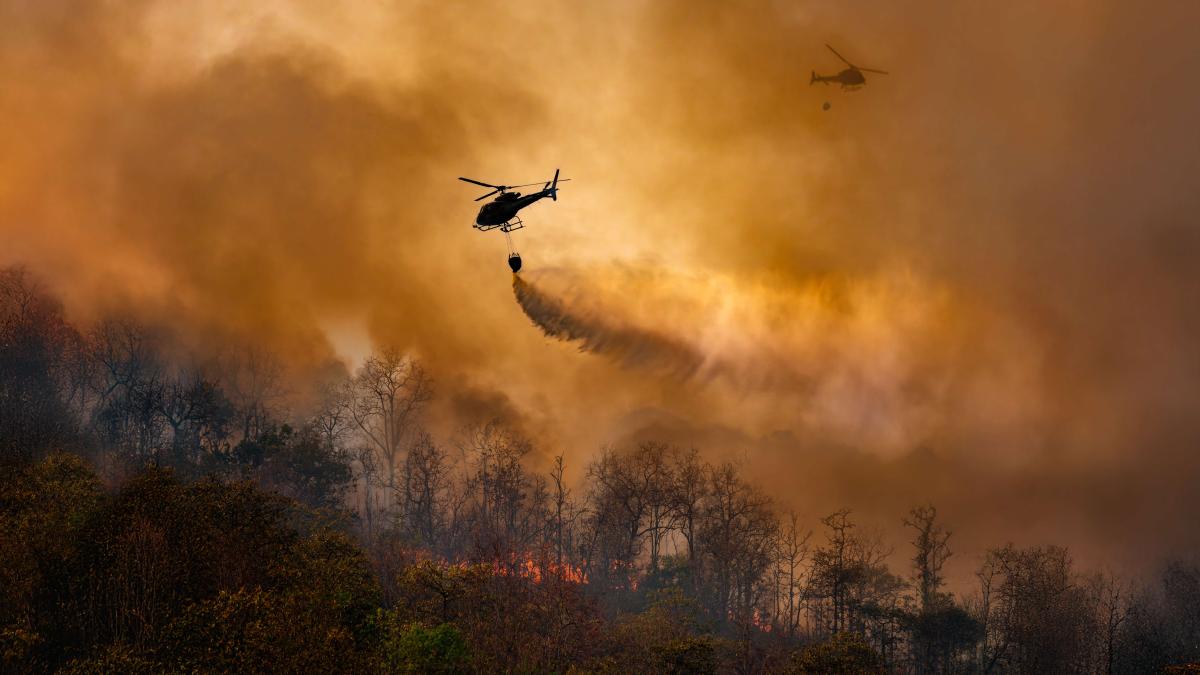
WASHINGTON, D.C. — Today, the U.S. House of Representatives unanimously passed Congressman Vince Fong’s (CA-20) H.R. 390: The Advanced Capabilities for Emergency Response Operations (ACERO) Act. This bipartisan legislation, which now heads to the Senate for consideration, would help develop the use of advanced, unmanned aircraft technology to improve aerial responses to wildfires, including in low-visibility conditions when manned aircraft are unable to mobilize.
Currently, federal and state agencies are limited by outdated and fragmented communication systems when coordinating aerial wildfire responses. The ACERO Act offers a way forward by leveraging cutting-edge technologies from NASA Armstong Flight Research Center in California's 20th District, to improve the management of airspace and ensure the safe coordination of manned and unmanned aerial assets during wildfires.
“Today’s unanimous passage of the ACERO Act is an important step toward modernizing our wildfire response and equipping our firefighters with the advanced tools they need to safely protect our communities,” said Congressman Fong. “By leveraging cutting-edge technology developed at NASA Armstrong here in our community, my bipartisan legislation delivers real solutions that will save lives and property across the country. I’m grateful for the strong support the ACERO Act received here in the House and urge my colleagues in the Senate to pass it as soon as possible.”
“The Kern County Fire Department has long recognized that aerial support is not a luxury on wildland incidents, it is a necessity,” said Fire Chief Aaron Duncan, Kern County Fire Department. “For decades, we have invested in our air operations program, and more recently, we’ve expanded our Unmanned Aerial Systems capabilities because we have seen firsthand how technology can enhance situational awareness, firefighter safety, and operational effectiveness. As UAS technology continues to advance and the integration between manned and unmanned aircraft increases, it is critical that we establish consistent standards for training, coordination, and data sharing across agencies. Legislation like the ACERO Act represents an important step toward building that framework and ensuring we are prepared to operate safely and effectively in this new era of aerial wildfire response.”
“Wildland firefighting is becoming increasingly complex, with longer seasons and more intense fire behavior,” said Paul Petersen, Executive Director of United Aerial Firefighters Association. “H.R. 390 directly addresses challenges our pilots face when manned and unmanned aerial assets work together. Providing situational awareness and coordination will ensure our pilots and ground crews have the tools they need to operate more safely and effectively.”
“I strongly support H.R. 390 and appreciate Representative Fong’s leadership in advancing the ACERO initiative,” said Kenji Sugahara, Director of the Oregon Department of Aviation. “This bill reflects a clear understanding that modern emergency response requires integrated airspace management and advanced aviation capabilities. It is an important step toward improving safety, coordination, and resilience in wildfire operations nationwide.”
“The Association of Firetech Innovation supports Congressman Fong’s Advanced Capabilities for Emergency Response Operations Act (ACERO Act). This legislation advances the adoption of innovative technologies that improve situational awareness, strengthen responder safety, and enhance emergency response capabilities. We commend Congressman Fong for his leadership in supporting modern tools that help first responders better protect communities.” - The Association of Firetech Innovation
A rare intersection of urgency, innovation, and bipartisan cooperation, the ACERO Act would:
- Modernize wildfire response capabilities by directing NASA to enhance airspace management and integrate advanced technologies. Through improved real-time information sharing and multi-agency coordination, firefighters will have the tools they need to act faster and more effectively.
- Foster collaboration by promoting partnerships with other agencies, research institutions, and private industry.
- Ensure accountability by requiring annual progress reports to Congress through 2030. These reports would provide transparency, enable legislators to measure outcomes, and ensure the responsible use of federal funds.
- Protect our national security by prohibiting NASA from procuring drones for this program from foreign adversaries like China, ensuring taxpayer dollars are used to support innovation here at home.
You can read the full bill text here and view all cosponsors here.